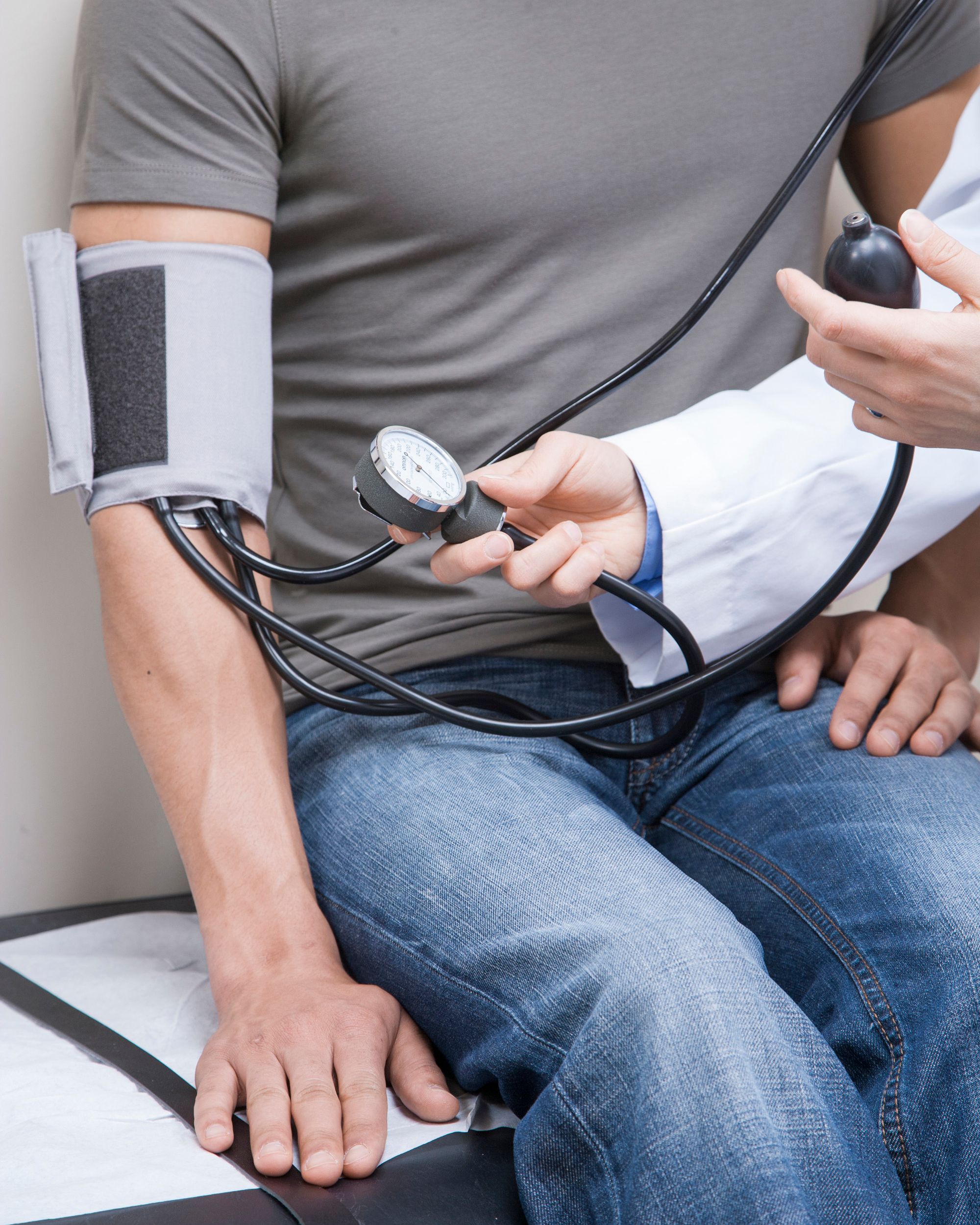
Cholesterol screening in Meridian: warning signs and foods that help
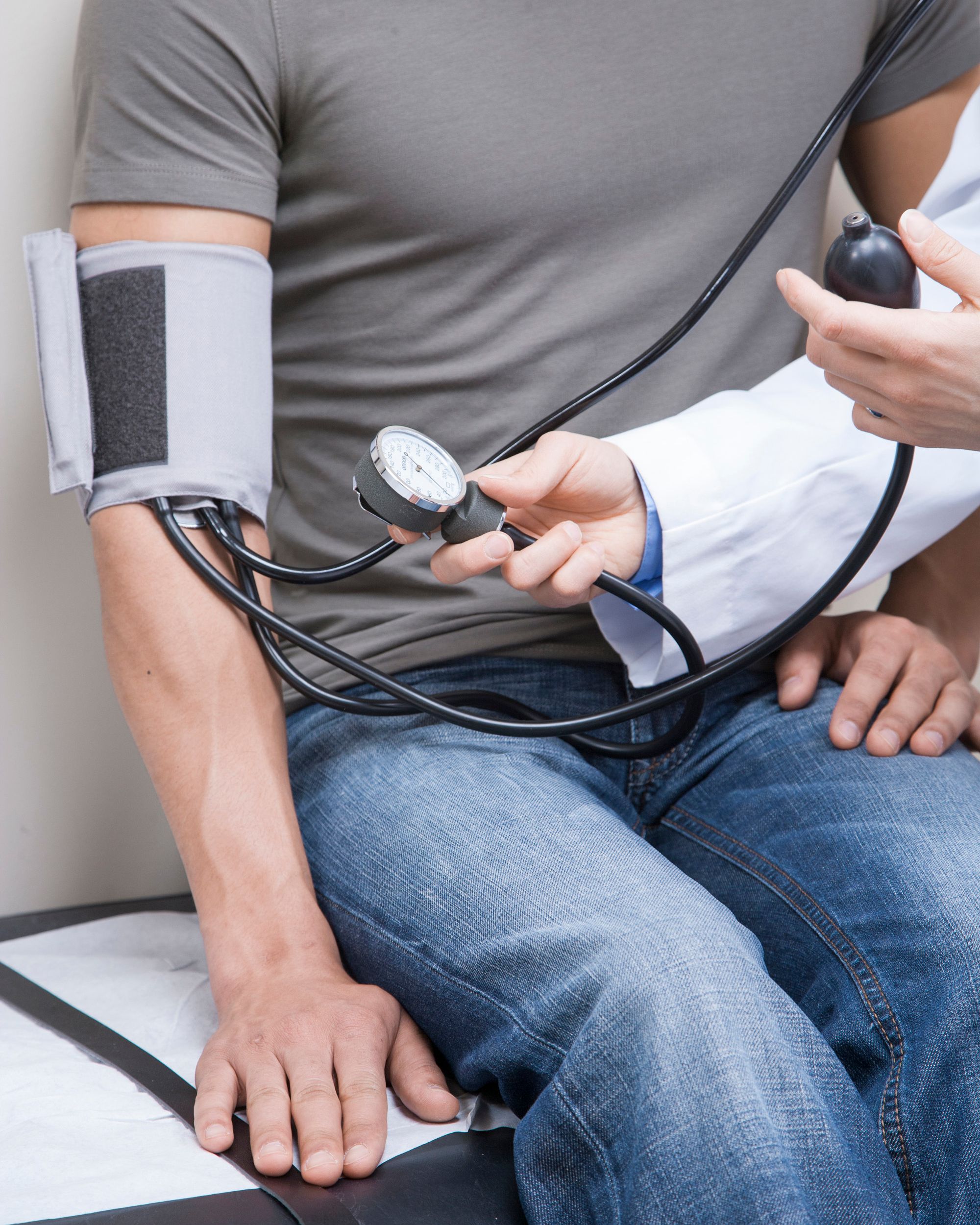
 Written byDr. Erik Richardson, DO · September 15, 2026
Here is the honest truth about the warning signs of high cholesterol: for most people, there aren't any. High cholesterol usually causes no symptoms at all, which is exactly why so many people are surprised when a routine blood test flags it. The good news is that once you know your numbers, high cholesterol is very manageable, and the right foods can make a real difference. If you are looking for cholesterol screening in Meridian, here is what to know before you go.
In our family medicine practice here in Meridian, we see this pattern all the time. A patient feels completely fine, gets their yearly lab work done, and learns their cholesterol is higher than it should be. That's not bad news. That's early news, and early is where you have the most power to protect your heart.
The main thing to know: High cholesterol is often called a "silent" condition because it usually has no obvious symptoms. A simple blood test is the only reliable way to find it.
Key takeaways
- There are usually no warning signs. High cholesterol usually has no signs or symptoms, so a routine blood test, recommended at least every 5 years from age 19, is how most adults find out.
- When symptoms do show up, they come from artery damage, not the cholesterol number itself, and they can include chest pain, leg cramping when walking, or numbness.
- Food is powerful medicine here. Eating more fiber and swapping saturated fat for healthy fats can meaningfully lower your "bad" (LDL) cholesterol.
- Screening is simple and routine. A quick lipid panel at your yearly checkup tells you where you stand.
- You have options. Diet, activity, and, when needed, medication all work, and your doctor can help you find the right mix.
What are the warning signs of high cholesterol?
This is the question most people search for, so let's answer it directly. In the vast majority of cases, there are no warning signs of high cholesterol you can feel or see. You cannot tell if your cholesterol levels are elevated based on how you feel, because high cholesterol often produces no symptoms to alert you to the serious problem developing inside your arteries.
That's what makes it sneaky. Cholesterol can quietly build up in your blood vessels for years without you noticing a thing. Even marathon runners and people with healthy diets can have dangerously elevated cholesterol without realizing it.
When symptoms do appear, they usually aren't caused by the cholesterol itself. They're caused by the damage high cholesterol has already done to your arteries over time. In other words, by the time you feel something, the problem has usually been building for a while, which is exactly why we don't wait for symptoms to check.
Most warning signs only appear after cholesterol has already narrowed your arteries. That's why screening beats waiting for symptoms.
Here are the symptoms that can show up once high cholesterol has begun to affect blood flow:
- Chest pain or pressure (angina). Plaque buildup in the arteries caused by high cholesterol can limit blood flow to the heart and result in angina.
- Shortness of breath or getting winded more easily than usual during everyday activity.
- Leg pain or cramping when you walk that eases with rest. Also known as claudication, leg pain or cramping during activity is a common sign of peripheral artery disease, which is directly linked to high cholesterol, and the pain typically stops when you rest but returns when you resume walking.
- Numbness, tingling, or coldness in your hands or feet from reduced circulation.
- Yellowish fatty deposits on the skin or around the eyes, called xanthomas. These bumps form when fat collects under your skin and can indicate very high cholesterol levels.
One important safety note: sudden slurred speech, one-sided weakness, confusion, or crushing chest pain are medical emergencies. Don't wait for an appointment. Call 911.
Why doesn't high cholesterol cause symptoms?
Cholesterol is not the villain it's sometimes made out to be. Your body actually needs it. Cholesterol is a waxy, fat-like substance found throughout the body that helps build healthy cells, produce hormones, and make vitamin D, but your body only needs it in the right amounts.
The trouble starts when there's too much of the "bad" kind. Too much low-density lipoprotein (LDL) cholesterol, also called "bad" cholesterol, can raise your risk of heart disease and stroke. Extra LDL slowly deposits along the walls of your arteries as plaque. That process is gradual and painless, which is the whole reason there's no early warning.
High cholesterol is common, and it's worth knowing you're far from alone. During August 2021 to August 2023, the prevalence of high total cholesterol, meaning a reading of 240 mg/dL or above, was 11.3% in adults. That's roughly one in nine, and many more sit in the borderline range above 200. Most of them feel perfectly healthy.
The only reliable way to know your levels is a blood test called a lipid panel. A lipid panel calculates the levels of total cholesterol, LDL cholesterol, HDL cholesterol, and triglycerides in your blood. If you'd like a plain-English walkthrough of what those numbers mean, our guide on how to read your blood test results breaks it down.
When should I get my cholesterol checked?
Since you can't feel high cholesterol, routine screening is your best tool. The 2026 ACC/AHA multisociety dyslipidemia guideline recommends a lipid panel at least every 5 years for adults, starting at age 19. People with added risk factors need it more often, including anyone with heart disease, diabetes, or a family history of high cholesterol.
Screening also starts earlier than most people expect. The same guideline recommends a lipid panel for every child between ages 9 and 11 who has not been checked before, and as early as age 2 for children with a family history of familial hypercholesterolemia or early heart disease. For adults aged 40 to 75, your numbers also feed the cardiovascular risk assessment that guides decisions about statin therapy. This is a routine, low-stress test, and it's usually part of a yearly checkup.
Cholesterol can also shift with life stages. For women, levels often change around menopause. Cholesterol tends to rise after menopause as estrogen's protective effect on lipid levels declines. That's one more reason regular checkups matter as you get older.
Here's a simple way to think about when to test:
| If you are… | General screening guidance |
|---|---|
| An adult age 19 or older | A lipid panel at least every 5 years |
| A child age 9 to 11 | A first lipid panel, even with no symptoms |
| A child with a family history of early heart disease or FH | As early as age 2, ask your provider |
| Age 40 to 75 | Routine screening as part of cardiovascular risk assessment |
| Living with diabetes, heart disease, or a family history | More often, as your doctor advises |
| A woman around or after menopause | Discuss with your provider, as levels can rise |
The easiest way to stay on top of this is to fold it into your yearly visit. Our post on what to expect at your yearly checkup covers how these checkups work. And because we have on-site lab and blood draw services at our Meridian clinic, established patients can often get their lipid panel done during the same visit, without a separate trip.
What foods help lower cholesterol?
Here's the encouraging part. Your daily food choices have real power over your cholesterol. You don't need a perfect diet or a single magic "superfood." A heart-healthy diet is not about one superfood; it is about building simple habits over time, eating more foods with fiber and healthy fats and less of the foods that raise cholesterol.
The two biggest levers are fiber and the type of fat you eat. Fiber is a quiet hero. Fiber helps remove cholesterol from your body before it gets into your blood. Even modest amounts help. Five to 10 grams or more of soluble fiber a day can decrease your LDL cholesterol.
The kind of fat matters just as much. Strong evidence shows that replacing butter with plant oils and spreads containing predominantly unsaturated fat decreases LDL cholesterol concentrations. Small swaps here add up over time.
Foods to reach for
- Oats, beans, and lentils. Foods such as oats, beans, lentils, apples, pears, and vegetables can help, and even adding a little more fiber to your diet each day can lower your cholesterol.
- Healthy fats. Healthy fats such as those in olive oil, avocados, nuts, and seeds can help lower LDL cholesterol, especially when you cut back on fatty meats, butter, and full-fat dairy.
- Fatty fish. Fatty fish such as salmon, tuna, herring, and mackerel are good sources of omega-3 fats, and it helps to eat fish a few times each week.
- Whole grains. Choosing whole grains such as oatmeal, brown rice, whole wheat bread, barley, and quinoa instead of refined grains gives you more fiber and nutrients that support heart health.
- Plant proteins. Foods such as beans, lentils, chickpeas, and soy give you protein without the unhealthy fats found in many animal-based foods.
Foods to avoid with high cholesterol
The short answer for foods to avoid with high cholesterol is: the ones high in saturated and trans fat. Eating too much saturated fat can raise the level of LDL (bad) cholesterol in your blood. Saturated fats are found in butter, cheese, red meat, other animal-based foods, and tropical oils.
How much does cutting back help? Quite a bit. Decreasing your consumption of saturated fats to less than 7% of your total daily calorie intake can reduce your LDL cholesterol by 8% to 10%.
Trimming saturated fat isn't about perfection. It's about steady swaps, like plant oil for butter, that pay off over the years.
Trans fats are worth avoiding entirely. Trans fats raise LDL cholesterol and lower HDL at the same time, which is what makes them uniquely harmful. The good news is they're much rarer now, since the U.S. Food and Drug Administration banned the use of partially hydrogenated vegetable oils in processed foods.
A quick word on trendy diets: what you replace saturated fat with matters. Very low-carb or keto diets do not typically align with heart-healthy eating guidelines because they are often high in saturated fat, and eating more saturated fat may raise LDL cholesterol. If you're considering a big dietary change, it's worth talking it through with your provider first.
How can I lower my cholesterol beyond food?
Food is a great start, but a few other habits work alongside it. Movement is one of the most reliable. Moving your body raises HDL cholesterol and lowers triglycerides. The effect on LDL is smaller and varies from person to person, but activity helps your overall risk picture either way.
You don't need a gym membership or a punishing routine. Activities like walking, dancing, swimming, or even gardening count, and the most effective exercise for lowering cholesterol is the kind you'll actually do consistently. Here in the Treasure Valley, the Meridian pathways and nearby foothills make an evening walk an easy habit to build much of the year.
Sometimes lifestyle changes aren't enough on their own, and that's not a failure. Genetics play a big role, and some people simply need medication to reach a safe cholesterol level. Early detection allows you to begin treatment with lifestyle changes, medications, or both, which reduces your risk. We never recommend or discourage a specific medication in a blog post. What we can say is that safe, effective options exist, and the right choice depends on your individual numbers and risk. That's a conversation to have with your own provider.
Because high cholesterol often travels with other conditions like high blood pressure and diabetes, we tend to look at the whole picture. If that's your situation, our overview of chronic disease management in Meridian explains how we help patients manage these together.
Frequently Asked Questions
What are the first warning signs of high cholesterol?
For most people, there are no early warning signs at all. High cholesterol is often called a "silent" condition because it builds up in the arteries without causing symptoms you can feel, so the only reliable way to catch it early is a blood test.
Can you feel high cholesterol in your body?
No, you generally cannot feel high cholesterol itself. When symptoms like chest pain, leg cramping while walking, or shortness of breath do appear, they usually come from artery damage that has already developed, not from the cholesterol number directly.
What foods should I avoid with high cholesterol?
Focus on limiting foods high in saturated fat, such as butter, cheese, red meat, and tropical oils like coconut and palm oil, along with any remaining trans fats. Replacing these with unsaturated fats like olive oil, nuts, and fatty fish is one of the most effective food-based ways to lower LDL cholesterol.
How often should I get my cholesterol checked in Meridian?
Current guidance recommends a lipid panel at least every 5 years for adults starting at age 19, and more often for anyone with diabetes, heart disease, or a family history. Children get a first check between ages 9 and 11. For patients established with our Meridian practice, we can often run a lipid panel with our on-site lab during your yearly checkup.
How much can diet actually lower cholesterol?
Diet can make a meaningful difference. Cutting saturated fat to less than 7% of your daily calories can lower LDL cholesterol by roughly 8% to 10%, and adding 5 to 10 grams of soluble fiber a day can lower it further. Results vary from person to person, so your doctor can help you set realistic expectations.
The bottom line
High cholesterol rarely announces itself, so don't wait for symptoms. Get a simple lipid panel, lean into fiber-rich foods and healthy fats, stay active in whatever way you enjoy, and let your doctor help you decide if anything more is needed. If it's been a few years since your last check, we'd be glad to see you for a yearly checkup and get your numbers, and if you're looking to establish care, our Meridian practice is now accepting new patients.
Sources
- Explore High Cholesterol in the United States | AHR
- High Cholesterol | MedlinePlus, National Library of Medicine
- Blood Cholesterol | National Heart, Lung, and Blood Institute
- Atherosclerosis | National Heart, Lung, and Blood Institute
- Peripheral Arterial Disease | MedlinePlus, National Library of Medicine
- Cholesterol: Top foods to improve your numbers – Mayo Clinic
- Total and High-density Lipoprotein Cholesterol in Adults
- High Cholesterol Facts | Cholesterol | CDC
- Statin Use for the Primary Prevention of Cardiovascular Disease in Adults | U.S. Preventive Services Task Force
- Familial Hypercholesterolemia | MedlinePlus Genetics
- 2026 Dietary Guidance to Improve Cardiovascular Health: A Scientific Statement From the American Heart Association | Circulation
- Saturated Fats | American Heart Association
- Prevention and Treatment of High Cholesterol (Hyperlipidemia) | American Heart Association
- 2026 ACC/AHA/Multisociety Guideline on the Management of Dyslipidemia | Circulation